Crunchy Detox Salad is a vibrant, nutrient-packed dish designed to support your body’s natural processes. In our busy lives, incorporating simple, wholesome meals can make a noticeable difference in how we feel day-to-day. This salad offers a delightful way to refresh your palate and nourish yourself with fresh, whole ingredients.
This recipe is particularly relevant for anyone seeking to add more plant-based goodness to their diet, or those looking for a light yet satisfying meal option. If you’re feeling a bit sluggish or simply want to embrace a healthier eating pattern, this salad can be a welcome addition.
In this article, we’ll explore the benefits of the key ingredients, offer simple preparation tips, and discuss how to customize your Crunchy Detox Salad to suit your taste. It’s about enjoying delicious food that makes you feel good, one satisfying crunch at a time.

The Crunchy Detox Salad: Nourishing Your Body and Mind
In the realm of health and wellness, the term “detox” can often evoke images of extreme diets or restrictive practices. However, a more accessible and sustainable approach to supporting your body’s natural detoxification processes can be found in the simple, yet powerful, Crunchy Detox Salad. This isn’t about drastic measures; it’s about intentionally incorporating nutrient-dense, whole foods into your diet to help your body function optimally. A Crunchy Detox Salad is essentially a vibrant assembly of fresh vegetables, fruits, lean proteins, and healthy fats, all chosen for their ability to provide essential vitamins, minerals, fiber, and antioxidants that aid your body’s natural elimination pathways.
The beauty of this salad lies in its versatility and its focus on whole, unprocessed ingredients. It’s about creating a delicious meal that actively contributes to your well-being, rather than feeling like a chore or a punishment. Think of it as a delicious way to give your body the building blocks it needs to do what it already does best: filter, process, and eliminate waste products and toxins.
Understanding “Detox” in a Healthy Context
When we talk about “detox” in a health and wellness context, it’s important to demystify the concept. Your body has sophisticated built-in systems for detoxification, primarily involving the liver, kidneys, digestive tract, and skin. These organs work tirelessly to process and remove metabolic waste, environmental pollutants, and byproducts of digestion. A “detoxifying” diet, like the one facilitated by a Crunchy Detox Salad, aims to support these natural processes by providing the body with the necessary nutrients and reducing the burden of processed foods, excessive sugar, and unhealthy fats that can tax these systems.
It’s crucial to understand that this isn’t about forcing your body to eliminate toxins it wouldn’t normally handle. Instead, it’s about optimizing the function of your existing detoxification pathways through superior nutrition. This can lead to feeling more energized, experiencing improved digestion, clearer skin, and a greater sense of overall well-being.
Common Signs and Factors Suggesting a Need for Nutritional Support
While no specific symptom definitively indicates a “toxin overload,” certain common signs and factors can suggest that your body might benefit from enhanced nutritional support, such as that provided by a Crunchy Detox Salad. These are often indicators that your body’s natural processes might be working harder than usual, or that your diet is lacking in essential nutrients that support optimal function.
- Persistent Fatigue: Feeling tired even after adequate sleep can be a sign that your body is struggling to process nutrients efficiently or is burdened by other factors.
- Digestive Issues: Bloating, gas, constipation, or irregular bowel movements can indicate that your digestive system isn’t functioning optimally, which is a key part of waste elimination.
- Skin Problems: Dull skin, acne, or a lack of radiance can sometimes be linked to internal imbalances and the body’s effort to eliminate waste.
- Brain Fog or Difficulty Concentrating: Feeling mentally sluggish or experiencing difficulty focusing can be related to nutritional deficiencies or a buildup of metabolic byproducts.
- Frequent Headaches: While headaches have many causes, persistent or recurring headaches can sometimes be an indirect indicator of internal stress.
- Cravings for Unhealthy Foods: A strong desire for sugar, processed snacks, or other less nutritious options might signal that your body is seeking readily available energy sources or is deficient in certain nutrients.
- Exposure to Environmental Pollutants: Living in an urban environment, working in certain industries, or having frequent exposure to environmental toxins can place an additional load on your body’s detoxification systems.
- Diet Lacking in Whole Foods: If your regular diet consists primarily of processed foods, refined sugars, and unhealthy fats, your body may not be receiving the comprehensive nutrient profile needed for optimal functioning.
General Guidance on Supporting Detoxification Pathways
Health authorities generally emphasize a holistic approach to health, focusing on sustainable lifestyle habits rather than quick fixes. The guidance provided by various health organizations and professionals consistently points towards a diet rich in whole, unprocessed foods as the cornerstone of supporting the body’s natural detoxification processes.
Key principles often highlighted include:
- Emphasis on Whole Foods: Prioritizing fruits, vegetables, lean proteins, and whole grains provides a wide array of vitamins, minerals, fiber, and antioxidants that are crucial for cellular function and waste elimination.
- Adequate Hydration: Drinking plenty of water is essential for flushing out waste products through the kidneys and supporting all bodily functions.
- Sufficient Fiber Intake: Fiber, found abundantly in fruits, vegetables, and whole grains, plays a vital role in digestive health, aiding in the regular elimination of waste from the colon.
- Limiting Processed Foods and Added Sugars: These can introduce unnecessary chemicals, unhealthy fats, and empty calories, which can burden the body’s metabolic and elimination systems.
- Regular Physical Activity: Exercise not only promotes overall health but can also stimulate lymphatic circulation, which helps move waste products throughout the body.
- Adequate Sleep: Sleep is a critical period for cellular repair and regeneration, allowing the body to focus on internal processes, including detoxification.
These recommendations are not specific to a particular “detox diet” but are fundamental principles of a healthy lifestyle that naturally support the body’s inherent ability to cleanse itself.
Practical Everyday Habits to Enhance Your Well-being
Incorporating the principles of a Crunchy Detox Salad into your daily life doesn’t require a radical overhaul. It’s about making conscious choices that nourish your body. Here are some practical habits you can adopt:
- Build Your Salad Base: Start with a generous portion of leafy greens like spinach, kale, arugula, or romaine lettuce. These are packed with vitamins and fiber.
- Add a Rainbow of Vegetables: Include a variety of colorful vegetables such as bell peppers, carrots, broccoli, cucumbers, tomatoes, and red onions. Different colors often signify different beneficial phytonutrients.
- Incorporate Fruits for Natural Sweetness and Nutrients: Berries, apples, pears, or citrus fruits can add natural sweetness, antioxidants, and additional fiber.
- Choose a Lean Protein Source: Opt for grilled chicken or fish, hard-boiled eggs, beans, lentils, or tofu for sustained energy and satiety.
- Include Healthy Fats: Avocado, nuts, and seeds (like chia, flax, or sunflower seeds) provide essential fatty acids and help with nutrient absorption.
- Dress Lightly and Naturally: A simple dressing made from extra virgin olive oil, lemon juice or apple cider vinegar, and herbs is ideal. Avoid heavy, creamy, or sugar-laden dressings.
- Hydrate Consistently: Make it a habit to drink water throughout the day. Start your morning with a glass of water and keep a water bottle with you.
- Prioritize Sleep: Aim for 7-9 hours of quality sleep per night. Establish a regular sleep schedule and create a relaxing bedtime routine.
- Move Your Body Regularly: Engage in at least 30 minutes of moderate-intensity exercise most days of the week. This could be brisk walking, cycling, swimming, or dancing.
- Mindful Eating: Pay attention to your hunger and fullness cues. Eat slowly, savor your food, and minimize distractions during meals.
What the Evidence Supports and What It Does Not
The scientific evidence strongly supports the benefits of a diet rich in fruits, vegetables, whole grains, and lean proteins for overall health and the proper functioning of the body’s natural systems. The fiber, vitamins, minerals, and antioxidants found in these foods are well-documented to support digestive health, immune function, and cellular repair.
Specifically, the evidence supports:
- The role of fiber in promoting regular bowel movements, which is crucial for eliminating waste.
- The antioxidant properties of various fruits and vegetables, which help protect cells from damage.
- The importance of hydration for kidney function and overall metabolic processes.
- The benefits of limiting processed foods, added sugars, and unhealthy fats for reducing inflammation and supporting metabolic health.
What the evidence does *not* generally support are claims of specific “detox diets” that promise to rapidly eliminate a vast amount of toxins in a short period through extreme measures or proprietary products. The human body is equipped with highly efficient detoxification systems, and there is little scientific basis to suggest that these systems can be drastically “boosted” or “reset” by specialized, short-term detox programs. The concept of “toxins” itself can be broadly interpreted, and while the body does process harmful substances, the idea of a general “toxin buildup” that requires aggressive removal through specific diets is often oversimplified or misrepresented.
Furthermore, many commercially marketed “detox” products lack robust scientific backing for their efficacy in clearing specific toxins beyond what the body naturally does. The focus should remain on sustainable, whole-foods-based nutrition that supports the body’s ongoing, natural processes.
Common Myths Worth Correcting
The concept of detoxification is often surrounded by misinformation. It’s important to distinguish between evidence-based nutrition and popular myths:
- Myth: You need special products or extreme diets to detoxify. Correction: Your body has sophisticated detoxification systems that are supported by a balanced, nutrient-dense diet. You don’t need expensive supplements or severe calorie restriction.
- Myth: “Detox” diets eliminate all toxins from your body. Correction: While a healthy diet supports your body’s natural elimination of metabolic waste and certain ingested substances, the idea of completely purging all “toxins” is an oversimplification.
- Myth: You will lose significant weight quickly on a detox diet. Correction: Any rapid weight loss on restrictive detox diets is often due to water loss and a reduction in food intake, not a significant “fat detox.” Sustainable weight loss comes from consistent healthy eating and lifestyle habits.
- Myth: Feeling sick during a detox means it’s working. Correction: While some individuals may experience mild, temporary digestive adjustments, severe illness or persistent fatigue during a diet is a sign that it may be too restrictive or inappropriate for you.
When to Speak to a Qualified Healthcare Professional
While incorporating a Crunchy Detox Salad and adopting healthy lifestyle habits can be beneficial for many, it’s essential to recognize when professional guidance is necessary. If you are experiencing any of the following, it is strongly recommended to consult with a qualified healthcare professional, such as a doctor, registered dietitian, or nutritionist:
- Persistent or severe symptoms that concern you, such as unexplained weight loss or gain, chronic pain, significant digestive distress, or extreme fatigue.
- You have pre-existing medical conditions, such as diabetes, kidney disease, liver disease, or autoimmune disorders.
- You are pregnant or breastfeeding.
- You are taking medications, as certain dietary changes can interact with them.
- You are considering significant dietary changes or a restrictive diet.
- You have a history of disordered eating.
A qualified professional can provide personalized advice tailored to your individual health needs, medical history, and lifestyle. They can help you understand what might be contributing to your symptoms and develop a safe and effective plan to support your well-being.
Conclusion
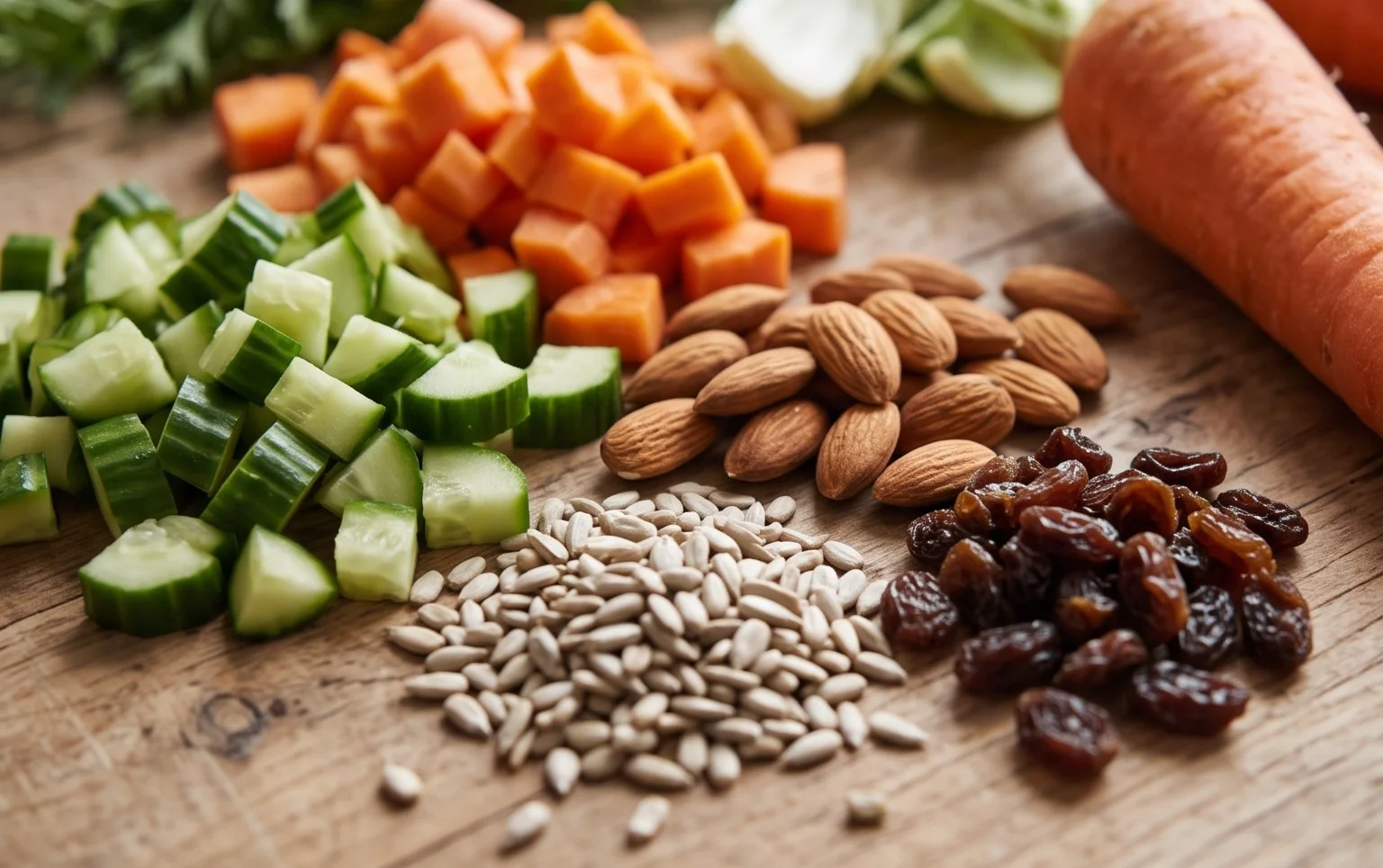
Incorporating a delicious and crunchy detox salad into your weekly routine can be a simple yet effective way to boost your nutrient intake and support your overall well-being. Remember, the key to sustainable health is making small, manageable changes. Focus on adding vibrant, whole ingredients like those found in our crunchy detox salad, rather than aiming for extreme dietary overhauls. This information is intended for general guidance only and should not be considered a substitute for professional medical advice. Always consult with a healthcare provider for personalized recommendations. We encourage you to continue exploring other nourishing and accessible recipes on our site to further enhance your wellness journey.