23 zero calorie foods for weight loss are a fantastic way to support your health and wellness journey. These foods offer volume and nutrients without contributing to your daily calorie intake, which can be incredibly helpful for managing hunger and making healthier food choices throughout the day. This approach is particularly relevant for anyone looking to achieve or maintain a healthy weight, or simply seeking to incorporate more nutrient-dense options into their diet without adding extra calories.
In this article, we’ll explore a variety of these beneficial foods, detailing their nutritional profiles and how they can be incorporated into your meals. We’ll focus on practical, everyday options that are readily available and can be enjoyed as snacks, sides, or even as the base for satisfying meals, making your weight loss efforts feel more manageable and enjoyable.
Health and Wellness Article Body: 23 Zero Calorie Foods for Weight Loss
Understanding Zero Calorie Foods and Their Role in Weight Loss
The idea of “zero calorie” foods for weight loss can sound like a magic bullet. But what exactly does this term mean, and how can it realistically fit into a healthy weight management plan? In essence, when we talk about zero calorie foods in the context of a healthy diet, we’re referring to items that contain a negligible amount of calories, so small that the body expends roughly the same amount of energy, or even slightly more, digesting them than they provide. These foods are typically very low in carbohydrates, fats, and proteins, and are often composed primarily of water and fiber.
It’s important to distinguish these from artificially sweetened “diet” products that might claim zero calories but contain artificial ingredients. This article focuses on whole, unprocessed foods that naturally fall into this low-to-negligible calorie category.
Common Signs or Factors Influencing the Perception of “Zero Calorie”
Several factors contribute to the perception and effectiveness of these foods:
-
High Water Content: Foods with a high percentage of water provide volume and hydration without adding significant calories. This can contribute to a feeling of fullness.
-
Low Energy Density: Energy density refers to the number of calories per gram of food. Zero calorie foods have an extremely low energy density, meaning you can eat a large volume for very few calories.
-
Fiber Content: While fiber does contain some calories, it’s not fully digested. The body gains little caloric value from fiber, and it plays a crucial role in satiety, helping you feel full for longer.
-
Thermic Effect of Food (TEF): This is the energy your body expends to digest, absorb, and metabolize the food you eat. For some foods, particularly those high in protein and fiber, the TEF can be substantial enough to offset a significant portion of their caloric content. While no food has a TEF that completely negates its calories, some very low-calorie, high-fiber foods come close to this concept.
General Guidance on Incorporating Low-Calorie Foods for Weight Loss
Health authorities generally emphasize that sustainable weight loss is achieved through a balanced approach involving dietary changes and increased physical activity. The core principle is creating a calorie deficit, meaning you consume fewer calories than your body burns.
Incorporating foods that are naturally low in calories, high in water, and rich in fiber is a strategy recommended by many health organizations as part of a broader weight management plan. These foods can help increase satiety, reduce overall calorie intake, and provide essential nutrients and hydration. The guidance typically suggests focusing on whole, unprocessed foods and making gradual, sustainable changes to eating habits rather than relying on restrictive diets or single food groups.
Key recommendations often include:
-
Prioritizing vegetables and fruits: These are excellent sources of vitamins, minerals, fiber, and water, and many are naturally very low in calories.
-
Choosing lean protein sources: Protein contributes to satiety and has a higher thermic effect compared to fats and carbohydrates.
-
Staying hydrated: Drinking plenty of water can help with fullness and overall health.
-
Practicing mindful eating: Paying attention to hunger and fullness cues can prevent overeating.
Practical Everyday Habits for Utilizing Low-Calorie Foods
Integrating these nutrient-dense, low-calorie options into your daily life can be straightforward. The goal is to make them a regular part of your meals and snacks, not as a sole solution, but as a supportive element of your diet.
Here are some practical habits you can adopt:
-
Start your day with a fiber-rich breakfast: Instead of calorie-dense cereals or pastries, consider a large bowl of mixed berries or a smoothie packed with spinach and a small amount of fruit. You can add a tablespoon of chia seeds for extra fiber and omega-3s without a significant calorie increase.
-
Bulk up meals with non-starchy vegetables: Whenever you prepare a meal, aim to fill at least half your plate with vegetables like leafy greens, broccoli, cauliflower, bell peppers, cucumbers, and zucchini. These add volume and nutrients with very few calories.
-
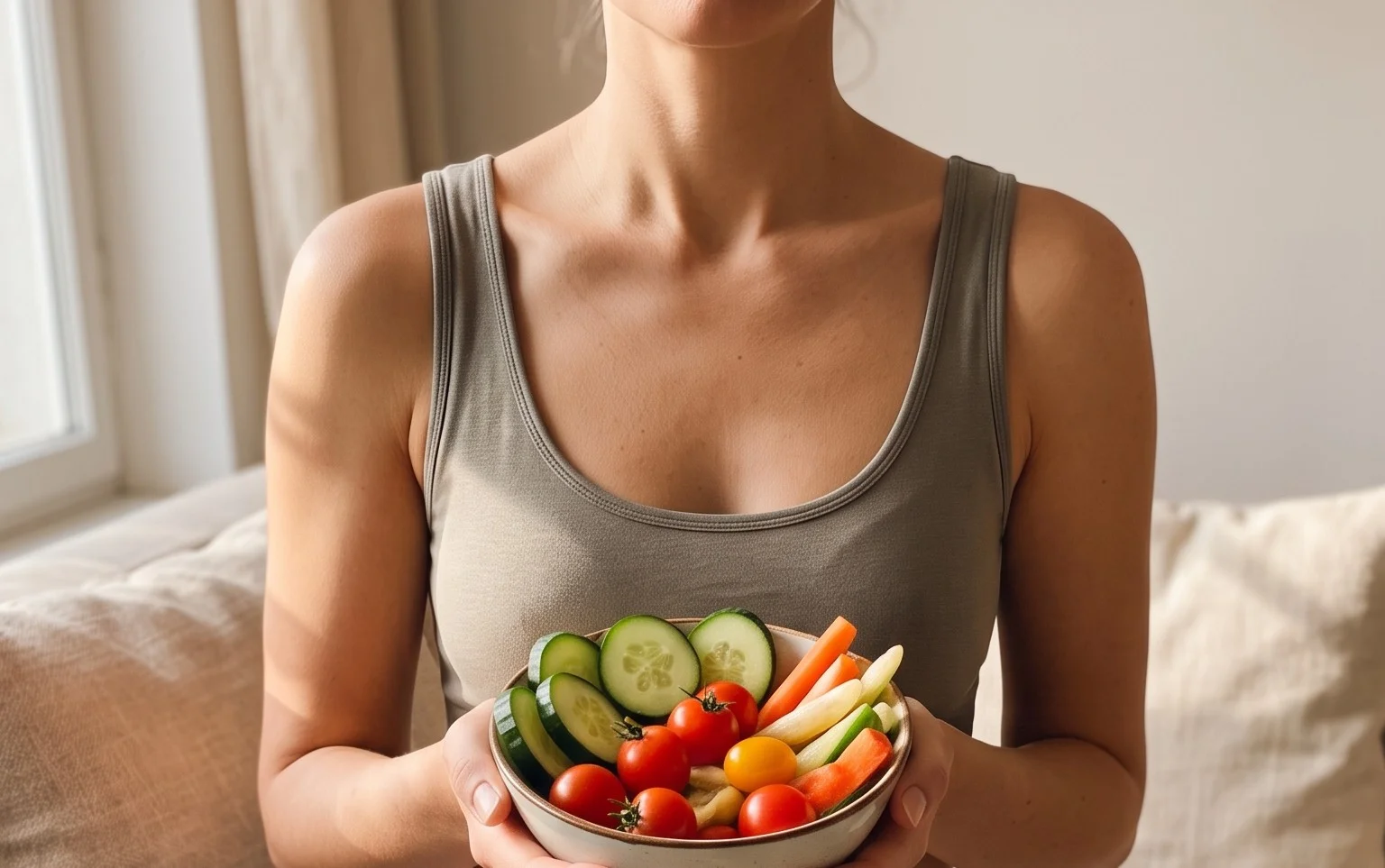
Snack wisely between meals: Instead of reaching for chips or cookies, opt for crunchy vegetables like carrot sticks, celery, or snap peas. A small handful of cherry tomatoes or a cup of cucumber slices can satisfy a craving for something to munch on without derailing your calorie goals.
-
Hydrate strategically: Drink a glass of water before each meal. This can help you feel fuller and potentially eat less. You can also infuse your water with cucumber, lemon, or mint for added flavor without calories.
-
Incorporate herbs and spices liberally: Use fresh or dried herbs and spices to add flavor to your food. They provide virtually no calories but can transform the taste of bland, low-calorie ingredients, making healthy eating more enjoyable.
-
Opt for clear broths: When you’re feeling hungry between meals or want something warm and comforting, a cup of clear vegetable broth or chicken broth can be satisfying and very low in calories.
-
Add volume to protein: When making chicken breast or fish, consider layering it with steamed or grilled vegetables like asparagus or green beans to create a more substantial and filling meal.
What the Evidence Supports and Does Not Support
The scientific evidence strongly supports the role of a diet rich in fruits, vegetables, and whole foods for overall health and weight management. Foods that are naturally very low in calories, high in water, and rich in fiber contribute positively to these goals by promoting satiety and helping to reduce overall calorie intake.
What the evidence supports:
-
High-volume, low-calorie foods can be effective in promoting fullness and reducing appetite, which can aid in weight loss when part of a calorie-controlled diet.
-
The fiber content in these foods is beneficial for digestive health and can help regulate blood sugar levels.
-
Adequate hydration, often achieved by consuming water-rich foods, is crucial for metabolic processes and can contribute to feelings of fullness.
-
Replacing calorie-dense, nutrient-poor foods with low-calorie, nutrient-dense options is a sustainable strategy for weight management and improved health.
What the evidence does NOT support:
-
That any food is truly “zero calorie” in a way that the body derives absolutely no energy from it, or that eating it leads to a guaranteed calorie deficit solely based on its digestion.
-
That these foods are a standalone solution for weight loss. Sustainable weight loss requires a comprehensive approach that includes balanced nutrition, portion control, and regular physical activity.
-
The notion that one can eat unlimited quantities of any food, even very low-calorie ones, and expect to lose weight without considering overall caloric intake and expenditure.
Common Myths Worth Correcting
Several misconceptions surround the concept of “zero calorie” foods and their impact on weight loss. Addressing these myths can lead to a more realistic and effective approach.
-
Myth: You can eat an unlimited amount of these foods and still lose weight.
Correction: While these foods are very low in calories, it’s still possible to consume too many calories overall. Portion control and awareness of your total daily intake remain paramount for weight loss.
-
Myth: “Zero calorie” means the food provides absolutely no energy.
Correction: As mentioned, most foods provide some calories, even if they are negligible. The term “zero calorie” in this context refers to foods with such low caloric content that their impact on total calorie intake is minimal, and their digestive process might even burn a comparable amount of energy.
-
Myth: All diet foods are “zero calorie” and healthy.
Correction: Many processed “diet” foods contain artificial sweeteners, flavorings, and other additives that may not be beneficial for long-term health. Focusing on whole, unprocessed foods is generally a healthier approach.
-
Myth: You can live on only “zero calorie” foods.
Correction: A balanced diet is essential for providing the body with all the necessary nutrients, including carbohydrates, proteins, and fats, in appropriate amounts. Solely consuming very low-calorie foods can lead to nutrient deficiencies and fatigue.
When to Speak to a Qualified Healthcare Professional
While incorporating low-calorie, nutrient-dense foods is a generally healthy strategy, there are specific situations where seeking professional advice is crucial. If you are experiencing any of the following, it’s important to consult with a doctor, a registered dietitian, or another qualified healthcare provider:
-
Persistent feelings of extreme fatigue or weakness.
-
Concerns about disordered eating patterns, such as severe restriction, obsessive calorie counting, or binge eating.
-
Significant and rapid unintended weight loss or gain.
-
Development of new or worsening health conditions, such as digestive issues, heart problems, or nutrient deficiencies.
-
If you have pre-existing medical conditions (e.g., diabetes, kidney disease, eating disorders) that could be affected by dietary changes.
-
If you are struggling to manage your weight despite making seemingly healthy changes.
-
If you are pregnant, breastfeeding, or planning to become pregnant, as nutritional needs change significantly during these periods.
A qualified professional can provide personalized guidance, assess your individual health needs, and help you develop a safe and effective weight management plan tailored to your specific circumstances.
Conclusion
Incorporating zero calorie foods into your diet doesn’t require drastic overhauls. The key takeaway is that focusing on nutrient-dense, low-calorie options can support your weight loss journey by adding volume and satisfaction without the caloric burden. Remember, small, sustainable changes are far more effective in the long run than restrictive diets. This information is for general guidance only and should not replace professional medical advice. Always consult with a healthcare provider or registered dietitian for personalized recommendations. Feel free to explore more articles on healthy eating and mindful consumption to further enhance your wellness path.