Meal prep lunch recipes under 400 calories can be your secret weapon for healthy, busy weekdays. This approach makes mindful eating accessible and manageable, helping you stay energized and focused without the midday slump. If you’re looking to maintain a healthy weight, manage your calorie intake, or simply want delicious and convenient lunch options, these recipes are designed for you. We’ll explore a variety of flavorful dishes that are easy to prepare in advance, ensuring you have nutritious meals ready when you need them. Get ready to discover satisfying lunches that fit your wellness goals.

Meal Prep Lunch Recipes Under 400 Calories
Finding healthy and satisfying lunch options that fit within a calorie goal can feel like a daily challenge, especially when life gets busy. Many people aim for lunches under 400 calories for a variety of health and wellness reasons, from weight management to maintaining stable energy levels. Fortunately, meal prepping offers a strategic solution, allowing you to prepare delicious and nutritious lunches ahead of time. This article will explore what it means to create meals within this calorie range, common factors influencing calorie needs, general dietary guidance, practical habits, what the evidence supports, common myths, and when to seek professional advice.
Understanding Calorie-Conscious Meal Prep
At its core, meal prep lunch recipes under 400 calories refers to the practice of preparing your midday meal in advance, with a specific focus on keeping the total calorie count for that meal at or below 400. This isn’t about deprivation; it’s about smart planning and making informed choices about ingredients and portion sizes. The goal is to create a lunch that is not only calorie-controlled but also nutrient-dense, providing essential vitamins, minerals, fiber, and protein to keep you feeling full and energized. This approach can be particularly helpful for individuals aiming for weight loss or maintenance, as consistently consuming around 400 calories for lunch can contribute significantly to achieving a daily calorie target without feeling hungry or unsatisfied. It’s about making your midday meal a supportive component of your overall health strategy.
Common Signs and Factors Influencing Calorie Needs
Several factors can influence an individual’s calorie needs, and understanding these can provide context for setting personal goals.
* Weight management goals: Whether aiming for weight loss, maintenance, or gain, calorie intake is a primary consideration. For weight loss, a calorie deficit is typically recommended.
* Activity levels: Individuals with more physically demanding jobs or regular exercise routines generally require more calories than those with sedentary lifestyles.
* Age and sex: Metabolism can change with age, and there are general differences in calorie requirements between men and women due to variations in body composition and metabolic rate.
* Individual metabolism: Some people naturally have a faster metabolism, meaning their bodies burn calories more efficiently. This can be influenced by genetics and other biological factors.
* Health conditions: Certain medical conditions can affect metabolism and nutrient absorption, influencing calorie and nutrient requirements.
When considering a lunch under 400 calories, it’s usually in the context of contributing to a balanced daily intake that supports these individual needs and goals.
General Guidance on Healthy Eating
Health authorities worldwide generally emphasize a balanced dietary approach that includes a variety of nutrient-rich foods. This guidance typically promotes:
* Plenty of fruits and vegetables: These are packed with vitamins, minerals, and fiber, and are often low in calories, making them excellent choices for calorie-conscious meals.
* Lean protein sources: Protein is crucial for satiety and muscle maintenance. Examples include chicken breast, fish, beans, lentils, tofu, and lean cuts of red meat.
* Whole grains: These provide sustained energy and fiber. Options include brown rice, quinoa, whole wheat bread, and oats.
* Healthy fats: Unsaturated fats found in avocados, nuts, seeds, and olive oil are important for overall health and can contribute to feeling full.
* Portion control: Understanding appropriate portion sizes is key to managing calorie intake, regardless of the food type.
* Hydration: Drinking sufficient water throughout the day is essential for overall health and can also help manage appetite.
General dietary recommendations often suggest that a single meal should contribute a reasonable portion of the total daily calorie intake, making a 400-calorie lunch a plausible component for many individuals aiming for a balanced diet.
Practical Everyday Habits for Calorie-Conscious Meal Prep
Incorporating calorie-conscious meal prep into your routine doesn’t have to be complicated. Here are some practical habits to get you started:
* Dedicate a prep day: Set aside a few hours on a weekend or a less busy weekday to wash, chop, and cook ingredients.
* Batch cook base ingredients: Cook a large batch of lean protein (like grilled chicken or baked tofu), whole grains (like quinoa or brown rice), and roasted or steamed vegetables.
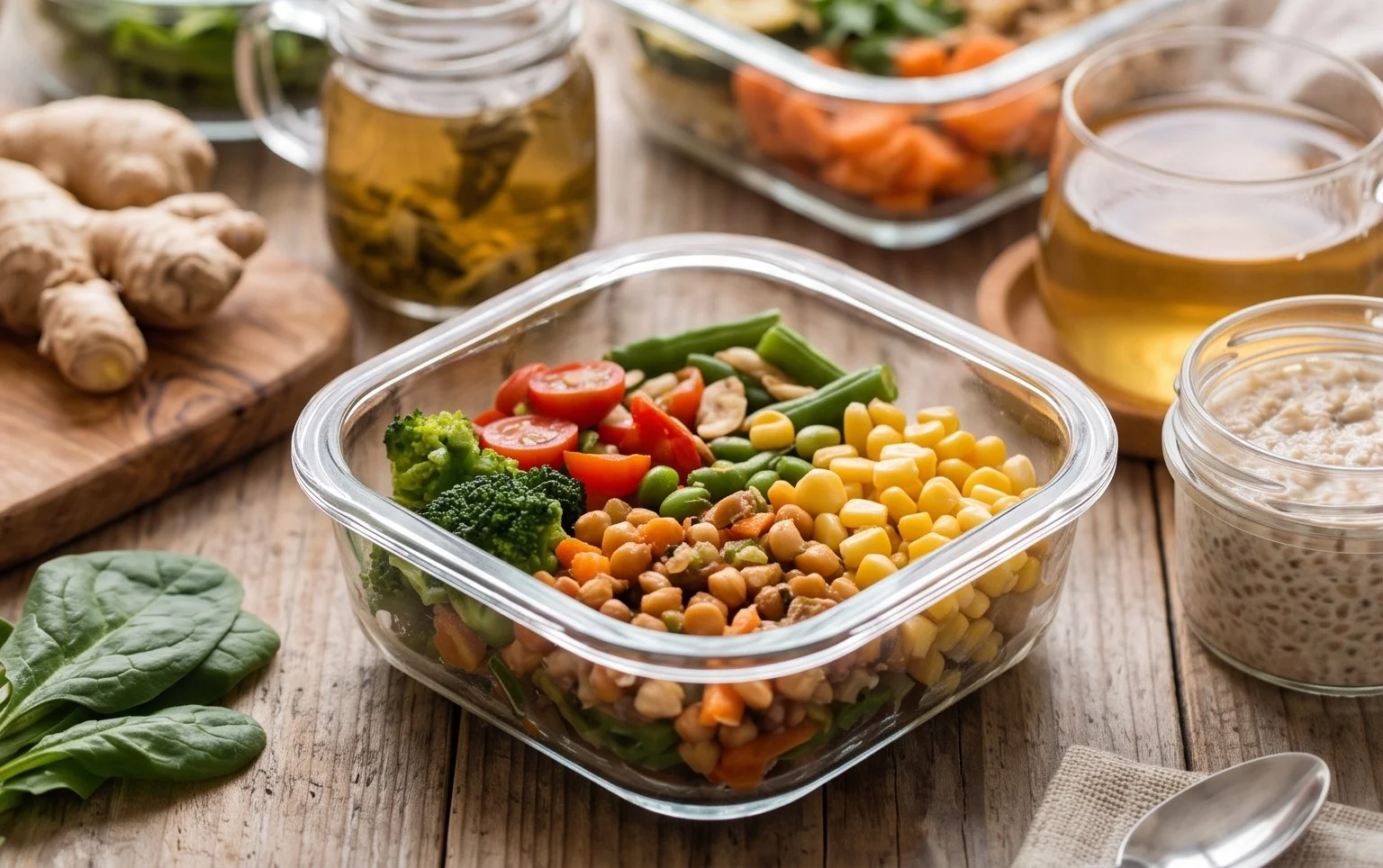
* Portion control containers: Invest in portion-controlled containers. This makes it easy to divide your prepped ingredients into individual lunch servings.
* Focus on whole foods: Build your meals around vegetables, lean proteins, and whole grains. These are naturally filling and nutrient-dense.
* Smart ingredient swaps: Opt for lower-calorie alternatives. For example, use cauliflower rice instead of white rice, or opt for a vinaigrette dressing made with olive oil and vinegar instead of creamy, calorie-laden options.
* Mindful cooking methods: Grilling, baking, steaming, and stir-frying with minimal oil are healthier cooking methods than deep-frying.
* Flavor without the calories: Use herbs, spices, lemon juice, vinegar, and low-sodium soy sauce to add flavor instead of relying on high-calorie sauces and dressings.
* Plan your weekly menu: Decide what lunches you’ll prep for the week ahead. This helps prevent last-minute unhealthy choices.
Here are some simple recipe ideas that can be easily adapted to fit under 400 calories when portioned correctly:
* **Quinoa Salad with Black Beans and Corn:** Cooked quinoa, black beans, corn, diced bell peppers, red onion, cilantro, and a lime-based dressing.
* **Chicken and Vegetable Stir-fry:** Lean chicken breast, broccoli, carrots, snap peas, and a light soy-ginger sauce served with a small portion of brown rice.
* **Lentil Soup with a Side Salad:** Hearty lentil soup made with vegetables, served with a simple green salad with a light vinaigrette.
* **Tofu Scramble with Veggies:** Tofu scrambled with turmeric, nutritional yeast, spinach, mushrooms, and onions, perhaps with a small piece of whole-wheat toast.
* **Salmon and Asparagus Packets:** Baked salmon fillet with asparagus spears, lemon slices, and herbs, cooked in parchment paper.
Remember that portion sizes are crucial. For instance, a serving of quinoa might be around half a cup cooked, and a similar amount for brown rice. Lean protein portions are typically 3-4 ounces.
What the Evidence Does and Does Not Support
The evidence strongly supports the benefits of meal prepping for maintaining consistent healthy eating habits, managing calorie intake, and reducing reliance on less healthy convenience foods. Studies indicate that individuals who plan and prepare their meals tend to consume more fruits and vegetables, have better control over their portion sizes, and are more likely to meet their nutritional goals. The concept of calorie-controlled meals, such as those under 400 calories for lunch, is well-supported as a strategy for individuals aiming to reduce their overall daily calorie intake for weight management, provided that these meals are nutritionally balanced and contribute to adequate nutrient intake.
However, the evidence does not support the idea that a specific calorie number like “under 400 calories” is universally optimal or sufficient for everyone. Individual calorie needs vary significantly based on the factors mentioned earlier. Furthermore, focusing solely on calorie count without considering the nutritional quality of the food can be detrimental. A 400-calorie meal composed of highly processed, low-nutrient foods will not be as beneficial as a 400-calorie meal rich in whole foods, protein, fiber, and essential micronutrients. The emphasis should always be on nutrient density alongside calorie awareness. There is also no scientific evidence to suggest that any particular “superfood” or magical ingredient can compensate for an otherwise unbalanced diet within a calorie-restricted plan.
Common Myths Worth Correcting
Several misconceptions surround calorie-conscious eating and meal prepping:
* Myth: Eating under 400 calories for lunch means you’ll be hungry all day.
* Correction: This is not necessarily true if the meal is well-balanced and nutrient-dense. A lunch rich in protein, fiber, and healthy fats can be very satisfying and prevent hunger pangs. For example, a salad packed with grilled chicken, beans, and plenty of vegetables can keep you full.
* Myth: Meal prepping is time-consuming and only for athletes or extreme dieters.
* Correction: While it requires some planning, meal prepping can actually save time in the long run by reducing daily cooking and decision-making. It’s a practical strategy for anyone looking to eat healthier, regardless of their fitness level or specific dietary goals.
* Myth: Calorie-controlled meals have to be bland and boring.
* Correction: With creative use of herbs, spices, and a variety of vegetables, it’s easy to create flavorful and exciting meals within a calorie limit. Experimenting with different cuisines and flavor profiles can make healthy eating enjoyable.
* Myth: If a meal is under 400 calories, it must be healthy.
* Correction: As mentioned, calorie count is only one piece of the puzzle. A 400-calorie candy bar is not nutritionally equivalent to a 400-calorie meal of grilled salmon and steamed broccoli. Nutrient density is paramount.
When to Speak to a Qualified Professional
While this article provides general information about meal prepping for lunches under 400 calories, it is crucial to remember that individual dietary needs are unique. You should speak to a qualified healthcare professional, such as a registered dietitian or nutritionist, if you:
* Are considering making significant changes to your diet, especially for weight management or health conditions.
* Have pre-existing medical conditions such as diabetes, heart disease, kidney issues, or eating disorders.
* Are experiencing persistent feelings of hunger, fatigue, or other concerning symptoms.
* Are unsure about your specific calorie and nutrient requirements.
* Are struggling to create a balanced and sustainable eating plan on your own.
* Are pregnant, breastfeeding, or have specific nutritional needs related to these life stages.
A qualified professional can assess your individual health status, lifestyle, and goals to provide personalized guidance and ensure your dietary choices are safe, effective, and supportive of your overall well-being. They can help you create a meal plan that is not only calorie-appropriate but also nutritionally complete and enjoyable.
Conclusion
Nourishing your body with delicious and satisfying meal prep lunch recipes under 400 calories doesn’t have to be complicated. By focusing on whole foods, smart portioning, and a little bit of planning, you can create vibrant meals that support your health goals without feeling deprived. Remember, consistency over intensity is key. Embrace these recipes as a starting point for making sustainable, healthy choices that fit into your busy life. This information is intended for general guidance only and is not a substitute for professional medical advice. Please consult with a healthcare provider for personalized recommendations. We encourage you to continue exploring our other articles on healthy eating and wellness!