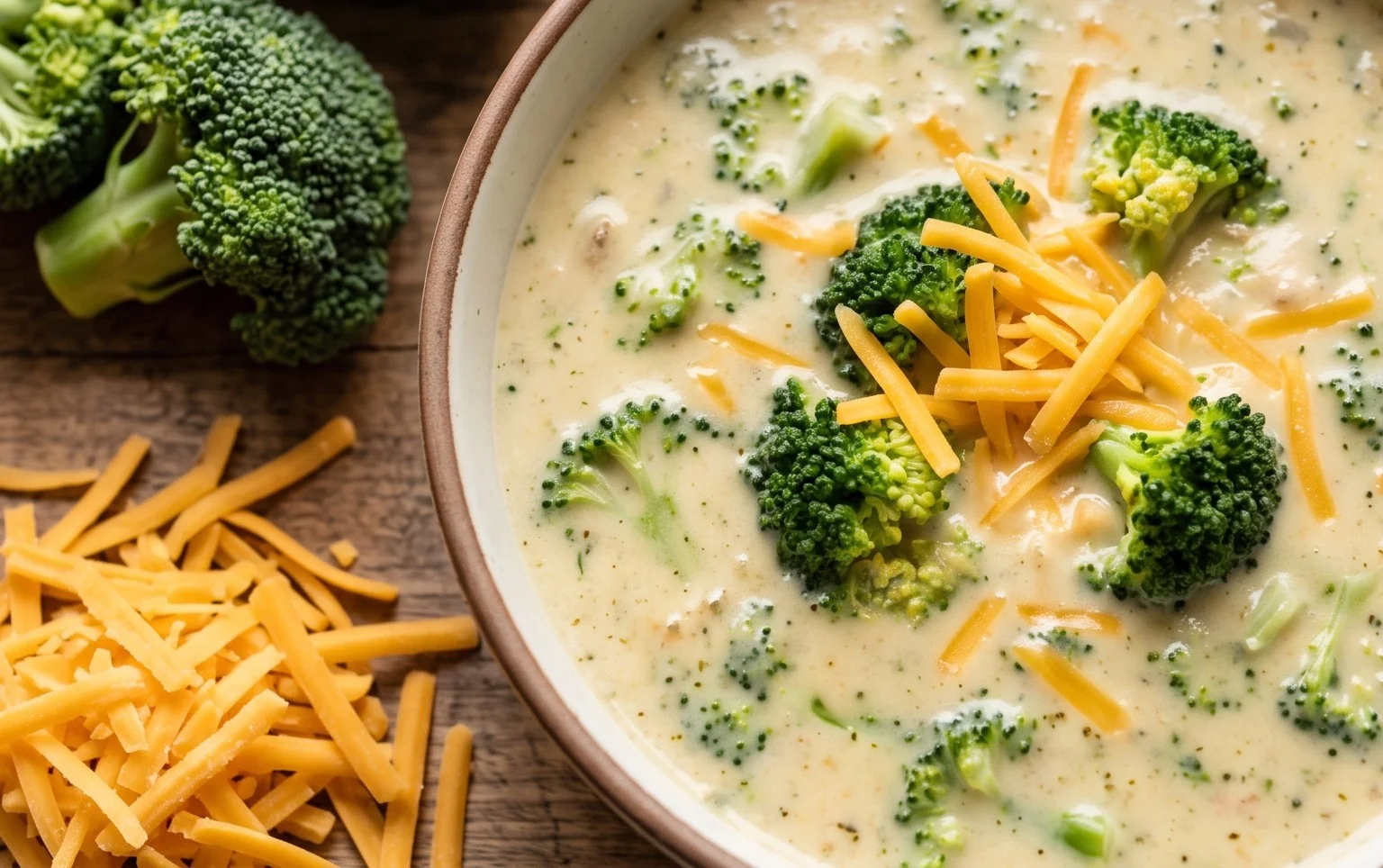
High Protein Broccoli Cheddar Soup can be a wonderful addition to your regular meals, offering a satisfying and nourishing way to support your well-being. This comforting soup combines the familiar flavors of broccoli and cheddar with an added protein boost, making it a more substantial choice for any time of day. Incorporating this soup into your routine matters because protein is a key building block for our bodies, essential for muscle repair, satiety, and overall energy levels. It’s particularly relevant for those looking for delicious ways to increase their protein intake, whether you’re an active individual, managing a busy lifestyle, or simply aiming for more balanced nutrition.
This article will explore the benefits of a high-protein approach to meals, delve into why this specific soup is a great option, and offer insights into how you can easily enjoy it as part of a healthy eating pattern. We’ll focus on its potential to contribute to a feeling of fullness and sustained energy throughout your day.

High Protein Broccoli Cheddar Soup: A Wholesome and Satisfying Meal
Soup, often viewed as a comforting and light meal, can be transformed into a powerhouse of nutrition, especially when it comes to protein. One such delicious and surprisingly potent option is High Protein Broccoli Cheddar Soup. This isn’t your average watery broth with a few stray vegetables. Instead, it’s a hearty, creamy, and deeply satisfying dish designed to pack a protein punch while still delivering the familiar, comforting flavors of broccoli and cheddar.
What Exactly is High Protein Broccoli Cheddar Soup?
In plain language, High Protein Broccoli Cheddar Soup is a thicker, richer version of the classic broccoli cheddar soup. The key difference lies in the deliberate inclusion of ingredients that significantly boost its protein content. This often involves adding lean protein sources beyond what’s typically found in a standard recipe. Think of it as a nutrient-dense evolution of a beloved comfort food, designed to keep you feeling fuller for longer and contribute to muscle health and overall well-being.
Common Signs or Factors That Might Lead Someone to Consider High Protein Options
Many factors can lead individuals to seek out meals that are higher in protein. These aren’t necessarily “problems” but rather lifestyle or personal health goals that can be supported by dietary choices.
- Increased feelings of hunger or difficulty staying satisfied between meals.
- Desire to support muscle mass, especially for those engaging in regular physical activity or as part of an aging well strategy.
- Managing weight, as protein can play a role in satiety and metabolism.
- Seeking more nutrient-dense meal options that offer sustained energy.
- Dietary preferences or recommendations that emphasize increased protein intake.
What General Guidance Says About Protein Intake
Health authorities generally emphasize the importance of adequate protein intake for a wide range of bodily functions. Protein is a fundamental building block for tissues, including muscles, skin, and hair. It’s also crucial for the production of enzymes, hormones, and antibodies that support immune function.
General dietary guidelines often suggest that protein should constitute a significant portion of daily caloric intake. The exact amount can vary based on age, sex, activity level, and specific health conditions, but the consensus is that protein is essential for everyone. Recommendations typically focus on incorporating a variety of protein sources throughout the day to ensure a complete amino acid profile and to benefit from the diverse nutrients found in different foods. For instance, many health organizations highlight the importance of lean protein sources, which offer essential nutrients without excessive saturated fat. They also advocate for incorporating plant-based protein sources to diversify nutrient intake and support various dietary patterns.
Practical Everyday Habits to Boost Protein Intake
Incorporating more protein into your diet doesn’t always require drastic changes or complicated recipes. For those interested in boosting their protein intake, particularly through enjoyable meals like soup, here are some practical habits:
- Choose a High-Protein Recipe: Start with a recipe specifically designed for higher protein content. This might involve using broth as a base instead of just milk, and incorporating ingredients like Greek yogurt, cottage cheese, or even pureed white beans.
- Add Lean Protein Sources: When making your High Protein Broccoli Cheddar Soup, consider adding lean sources like shredded cooked chicken breast, turkey, or even small pieces of firm tofu or tempeh. These can be added during the simmering process.
- Incorporate Legumes: Blended white beans or cannellini beans can add creaminess and a significant protein and fiber boost to the soup without drastically altering the flavor. They blend seamlessly into the creamy base.
- Utilize Dairy Powerhouses: Stirring in a dollop of plain Greek yogurt or a small amount of low-fat cottage cheese at the end of cooking can add a creamy texture and a substantial protein lift.
- Enhance with Seeds: A sprinkle of roasted pumpkin seeds or sunflower seeds as a garnish can contribute a small but valuable amount of protein and healthy fats.
- Pair with a Protein-Rich Side: If you’re having soup as a main meal, consider pairing it with a small side salad that includes grilled chicken or chickpeas, or a whole-grain roll with a smear of nut butter.
- Be Mindful of Portions: While aiming for higher protein, it’s still important to be mindful of overall portion sizes to align with your individual caloric needs.
What the Evidence Does and Does Not Support
The scientific evidence strongly supports the role of adequate protein intake in various aspects of health. Research indicates that protein is essential for muscle repair and growth, which is particularly important for athletes, older adults, and individuals recovering from illness or injury. Studies have also shown that protein can increase satiety, meaning it helps you feel fuller for longer. This can be beneficial for weight management efforts as it may reduce overall calorie intake by curbing cravings and preventing overeating. Furthermore, protein is vital for immune function, acting as a building block for antibodies and enzymes that fight off infections.
However, it’s important to note what the evidence *does not* support. There is no scientific backing for the idea that extremely high protein intake, far beyond general recommendations, offers superior health benefits for the average person. Consuming excessive amounts of protein without a corresponding increase in physical activity or specific medical needs may not lead to additional muscle gain and could potentially place unnecessary strain on the kidneys in some individuals, though this is a complex area with ongoing research and is highly dependent on individual health status. Claims that specific “super-proteins” or exotic protein sources offer magical health benefits are also generally not supported by robust scientific evidence; whole food sources are typically recommended.
Common Myths Worth Correcting
Several myths surround protein intake, and it’s important to address them to promote accurate understanding:
- Myth: You only need protein if you exercise a lot.
- Correction: While athletes and very active individuals have higher protein needs, everyone requires protein for basic bodily functions like cell repair, hormone production, and immune support, regardless of their activity level.
- Myth: Too much protein is bad for your kidneys.
- Correction: For healthy individuals with normal kidney function, current evidence does not strongly support the notion that moderate to high protein intake causes kidney damage. However, individuals with pre-existing kidney conditions should always consult their healthcare provider regarding protein intake.
- Myth: You need protein supplements to get enough protein.
- Correction: While supplements can be convenient, most people can meet their protein needs through a balanced diet rich in whole foods. High Protein Broccoli Cheddar Soup, made with thoughtful ingredient choices, is an example of how to achieve this through food.
- Myth: All protein is the same.
- Correction: Protein quality varies. Complete proteins, found in animal products and some plant combinations like soy, contain all nine essential amino acids. While plant-based proteins can be combined to achieve this, relying solely on a variety of plant sources is key.
Clear Signs to Speak to a Qualified Professional
While High Protein Broccoli Cheddar Soup can be a healthy addition to many diets, it’s crucial to recognize when professional guidance is needed. Pay attention to these signs:
- Persistent and unexplained fatigue that doesn’t improve with dietary adjustments.
- Significant and unintentional weight loss or gain.
- Digestive issues that are chronic or severe, such as persistent bloating, diarrhea, or constipation.
- Experiencing new or worsening symptoms that you suspect might be related to your diet or nutrient intake.
- Having pre-existing health conditions, such as kidney disease, diabetes, or heart conditions, as these may require specific dietary considerations.
- Concerns about your overall nutritional status or how to best meet your individual dietary needs.
Consulting a Qualified Healthcare Professional
It is always advisable to consult with a qualified healthcare professional, such as a registered dietitian or a doctor, before making significant changes to your diet, especially if you have any underlying health conditions or specific dietary concerns. They can provide personalized advice based on your unique health profile, lifestyle, and goals, ensuring that your dietary choices are safe, effective, and supportive of your overall well-being. They can help you determine your individual protein needs and guide you on the best food sources and dietary patterns to achieve them.
Conclusion
We’ve explored how this delicious High Protein Broccoli Cheddar Soup can be a nourishing addition to your wellness journey. Remember, incorporating more protein and nutrient-rich vegetables like broccoli doesn’t require overhauling your entire diet. Small, consistent steps, like enjoying this hearty soup, can lead to significant long-term benefits for your health.
This information is for general guidance only and should not be considered a substitute for professional medical advice. Always consult with a healthcare provider for personalized recommendations. We hope this recipe inspires you to continue exploring balanced and enjoyable ways to support your well-being. Consider delving into other high-protein meal ideas or learning more about the benefits of cruciferous vegetables.